
Making great pour-over coffee at home doesn’t have to be complicated. While there are plenty of variables you can experiment with, sometimes a few small adjustments can make a noticeable difference in your final cup.
Whether you’re just getting started with pour-over coffee or have been brewing for years, these five tips can help you improve consistency, avoid common mistakes, and get more out of your coffee.
1. Always Rinse Your Paper Filter
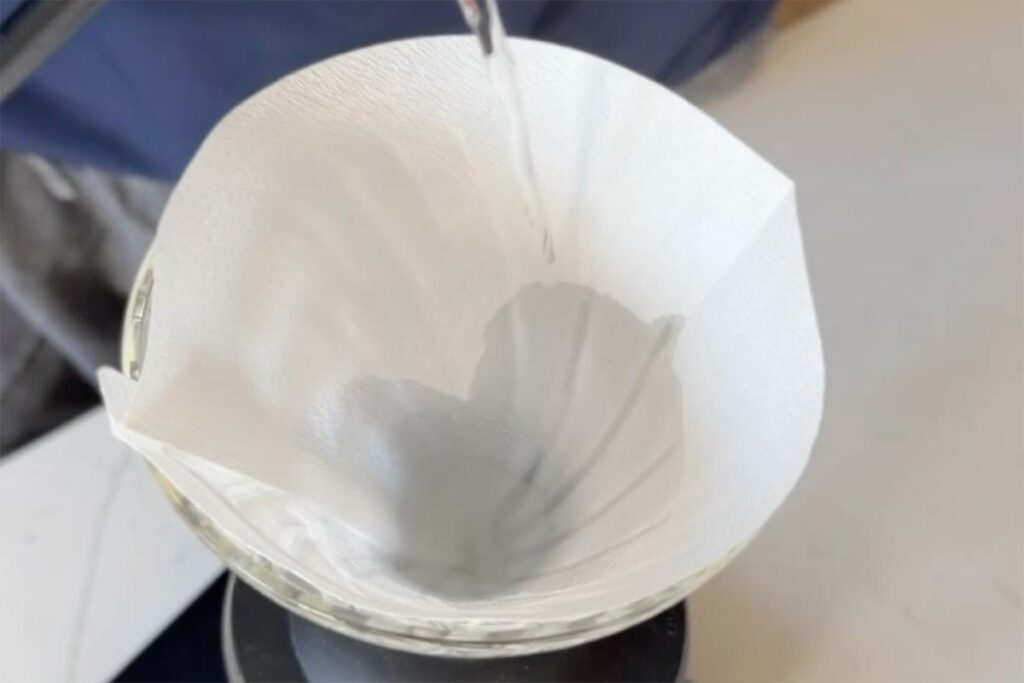
Before adding your ground coffee, thoroughly rinse your paper filter with hot water.
Paper filters can sometimes impart a slight papery taste to your coffee, especially if they haven’t been rinsed before brewing. Running hot water through the filter helps remove any residual paper flavors that might otherwise carry through to your cup.
Rinsing also serves another important purpose: preheating your brewer and carafe. Starting with warm equipment helps maintain a more consistent brewing temperature, particularly when using ceramic or glass brewers that can absorb heat from your brewing water.
Pro tip: Don’t just splash a little water onto the filter. Use enough hot water to fully saturate it and warm your brewing equipment. Just remember to discard the rinse water before brewing!
2. Use a Coffee Scale
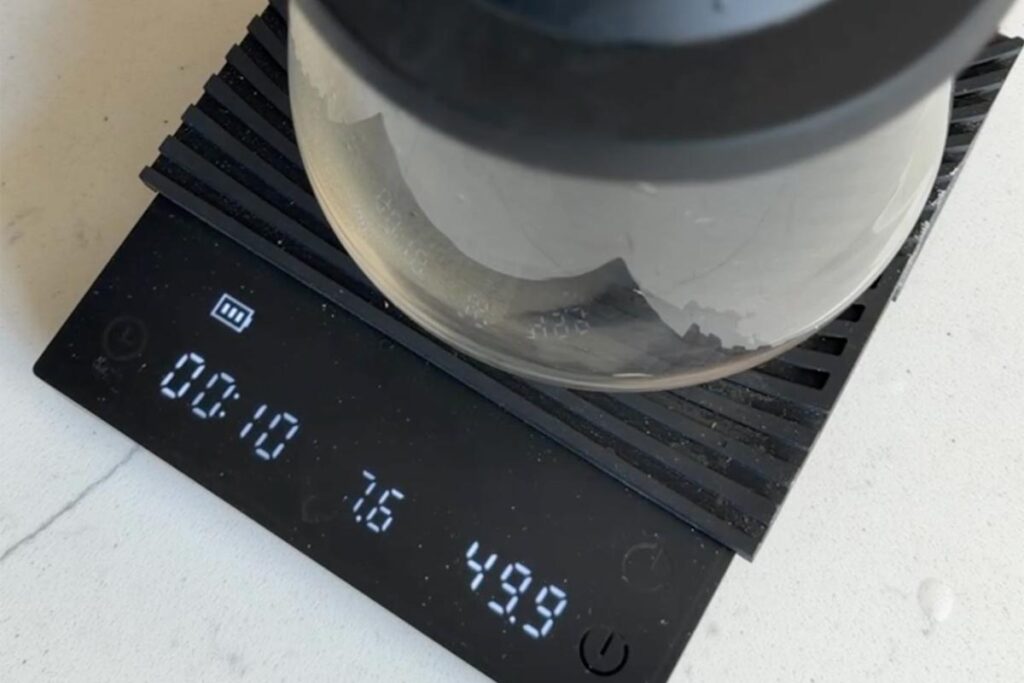
If there’s one piece of equipment I’d recommend to anyone getting started with pour-over coffee, it’s a good coffee scale.
Using a scale allows you to measure both your coffee and water accurately, making it much easier to brew consistently. Without one, you’re essentially guessing at your coffee-to-water ratio, which can lead to noticeably different results from one brew to the next.
For example, a 1:16 coffee-to-water ratio is a great starting point for many pour-over recipes. That means using 16 grams of water for every gram of coffee.
Here’s what that looks like with a few common brew sizes:
| Coffee | Water | Ratio |
|---|---|---|
| 15g | 240g | 1:16 |
| 20g | 320g | 1:16 |
| 25g | 400g | 1:16 |
| 30g | 480g | 1:16 |
You don’t need an expensive scale to get started. A basic digital scale that measures in 0.1g increments will work well, although coffee-specific scales often include helpful features like built-in timers, flow-rate indicators, and automatic brew-ratio calculations.
Pro tip: Find a coffee-to-water ratio you enjoy and stick with it while experimenting with other brewing variables. Having a consistent starting point makes it much easier to understand what’s affecting your coffee.
3. Avoid Pouring Water Directly Onto the Filter
Where you pour your water matters just as much as how much water you use.
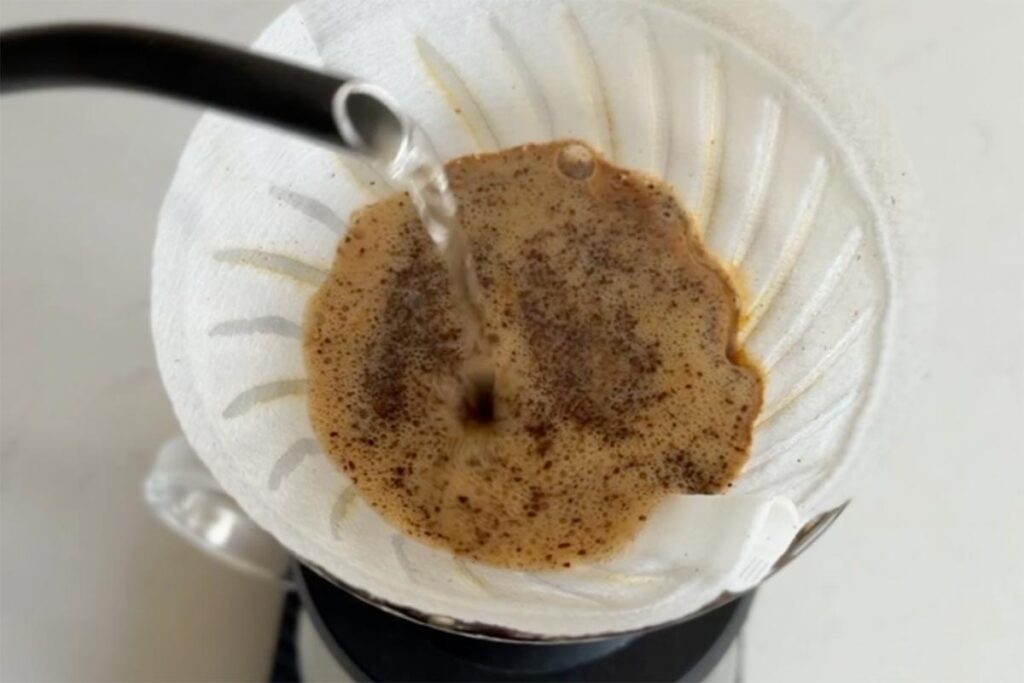
When brewing pour-over coffee, the goal is to have your water flow evenly through the coffee grounds, extracting the flavors that ultimately end up in your cup.
If you’re consistently pouring directly onto the paper filter or along the edges of your brewer, some of that water can travel around the coffee bed rather than through it. This is often referred to as bypass.
While some bypass is normal in many pour-over brewers, excessive or unintended bypass can dilute your coffee and make extraction less consistent.
Instead, focus on pouring gently and evenly over the coffee bed. Small, controlled circles are a good starting point, keeping most of your water directed toward the grounds rather than the filter walls.
Pro tip: You don’t need to pour in perfect circles or follow an overly complicated pattern. Just focus on keeping your pours controlled and making sure the coffee grounds are being evenly saturated.
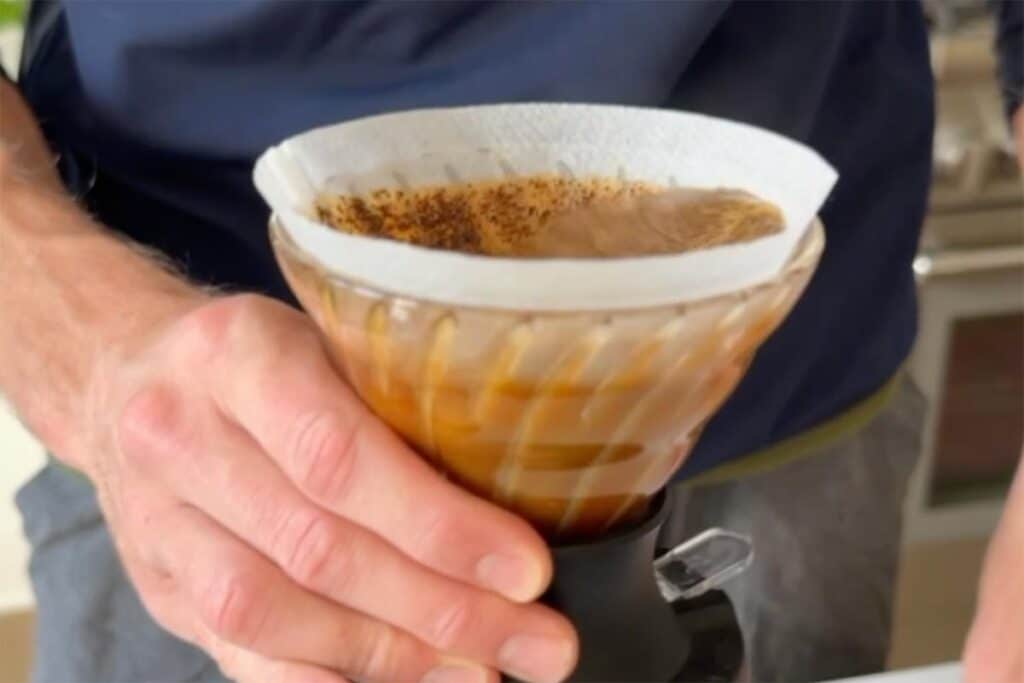
4. Give Your Brewer a Gentle Swirl During the Bloom
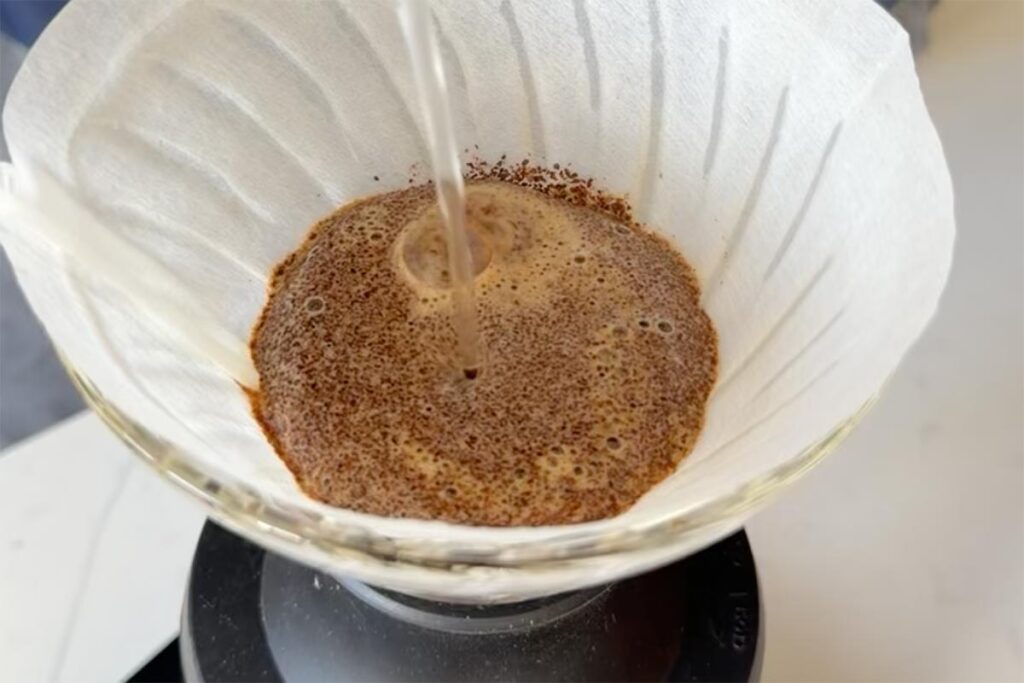
The bloom is the first stage of pour-over brewing, when you add a small amount of hot water to your freshly ground coffee and allow it to sit briefly before continuing.
As water comes into contact with the grounds, trapped carbon dioxide begins escaping, often causing the coffee bed to expand and bubble.
A typical bloom uses around two to three times the weight of your coffee in water. For example, if you’re brewing with 20 grams of coffee, you might start with a 40–60 gram bloom and wait approximately 30–45 seconds before your next pour.
One simple technique I like is giving the brewer a gentle swirl immediately after adding the bloom water.
This helps distribute the water throughout the coffee bed, making sure there aren’t pockets of dry grounds that could lead to uneven extraction.
The key is to keep the movement gentle. You don’t need to aggressively shake the brewer or create a whirlpool. A small swirl is usually enough to help saturate the grounds.
Pro tip: Pay attention to whether all your coffee grounds are getting wet during the bloom. If you’re seeing dry patches, try a slightly larger bloom or a gentle swirl to help distribute the water.
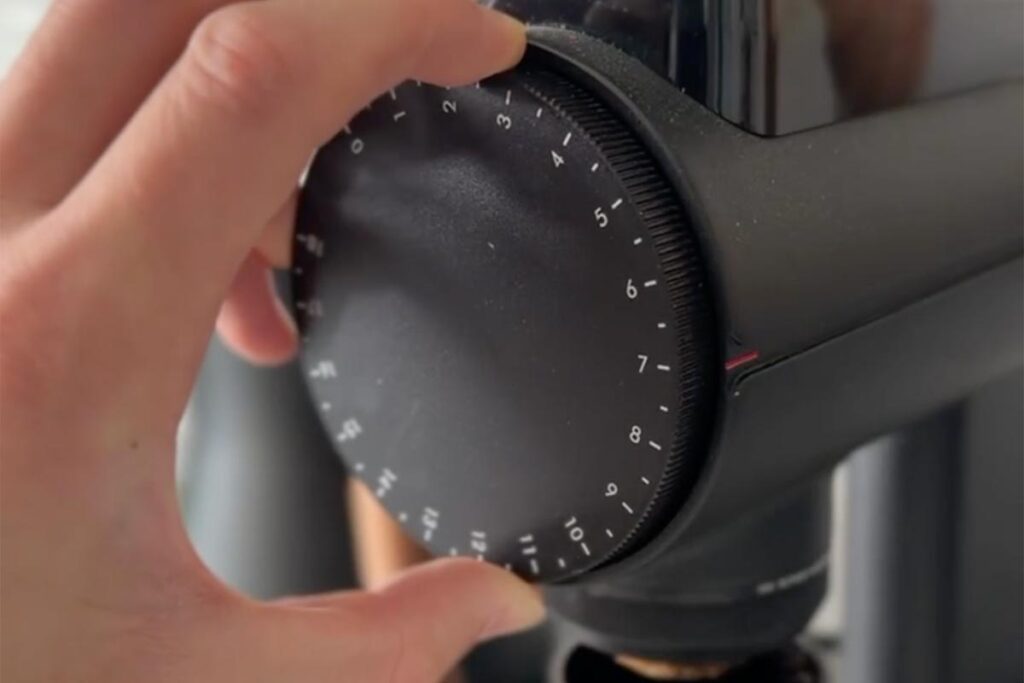
5. Change One Brewing Variable at a Time
This might be the most important tip on the list, especially if you’re trying to improve a coffee that isn’t tasting quite right.
Pour-over brewing involves several variables, including:
- Grind size
- Coffee-to-water ratio
- Water temperature
- Pouring technique
- Total brew time
- Water composition
All of these can influence how your coffee tastes. But if you change several variables at once, it becomes difficult to understand which adjustment actually made a difference.
For example, imagine your coffee tastes a little sour. You decide to grind finer, increase your water temperature, and change your coffee-to-water ratio. The next cup tastes better, but which adjustment helped?
You’ll never really know.
Instead, I recommend starting with one variable and making small adjustments until you’re happy with the result.
I almost always start with grind size.
Grind size has a significant influence on extraction, and it’s relatively easy to adjust without changing the rest of your recipe.
As a general starting point:
- Coffee tastes sour, sharp, or underdeveloped? Try grinding a little finer to increase extraction.
- Coffee tastes overly bitter or harsh? Try grinding a little coarser to reduce extraction.
- Coffee tastes good but a little weak? Consider adjusting your coffee-to-water ratio after you’ve dialed in your grind.
These aren’t universal rules, but they’re useful starting points for troubleshooting.
Pro tip: Keep a simple record of your recipe and any adjustments you make. Even a few notes on grind setting, ratio, and how the coffee tasted can make it easier to repeat a great brew.
Small Changes Can Make a Big Difference
One of the things I enjoy most about pour-over coffee is how much control you have over the brewing process. Small changes to your technique can bring out different characteristics in the same coffee, and experimenting is part of the fun.
But you don’t need to obsess over every detail to make a great cup.
Start by rinsing your filter, using a scale, controlling your pours, evenly saturating your coffee during the bloom, and adjusting one variable at a time.
Once you’ve built a consistent brewing routine, you’ll have a much better foundation for experimenting with different coffees, recipes, and brewing techniques.
And if you’re just getting started, remember that the best pour-over recipe is ultimately the one that makes coffee you enjoy drinking.